


Recently, developer HoYoverse released a major update for the open-world RPG Genshin Impact. Version 7.1 “A Rekviem for the Underworld” continues the story of Snezhnaya and confrontation between the Fatui and the Ruler of Death Ronova. Moreover, Travelers received a chance to visit the Moonchase Festival in Liyue, which introduces more lore about the Adepti and region history.
The new game version surprisingly surpassed all recent updates, finally bringing the game writing to a proper level. Now, let’s take a closer look why it plays better than the region introduction update.

The Archon Quest continues the main questline of the previous update, taking up the plot almost at the same spot it ended before. Tsaritsa is back and the stability returns to the city along with her. While the region introduction update looked a bit chaotic and existed on sheer power of “just because”, the new game version has a lot more consistency. Even more, the story itself finally breaks old patterns, which followed the game for years.
We already used to see plot lines stripped of any major intrigues, which didn’t properly use any other conflicts but the fight with the version antagonist. Sure, we have to oppose Ronova here, which is not much different in idea than fighting with Dottore for example, but this time plot delivery makes a major difference. And for once in several years the main quest was actually interesting to play.
For many players gacha game plot doesn’t matter much, and it’s enough to have a simple “we came, we saw, we won” kind of quest all the time. However, Version 7.1 slowly moves the focus from the Traveler to the more adult problems and solutions. From the moment we meet the Tsaritsa, it becomes clear that we are but another asset to her grand game.
Without the Traveler on the board the game would go just as smoothly, with the Fatui following their leader without question. For once, we return to the role of an observer, who was granted the permission to see and learn the core of the long-lasting conflict between Gods and humanity.
This entire update holds on the mystery wrapped around Cryo Archon, which grew over many years. However, her actual personality pushes this effect to another level. The Tsaritsa doesn’t trust anyone but her own memory, she doesn’t share her plans out loud, she faces the most powerful beings in the world like equals – at this scale some wandering blondie with flying emergency food doesn’t seem to impress her enough.

Without giving too many spoilers, I can say that this mistrust creates a conflict and moves the plot forward, keeping the attention on the story. We assist the Fatui and walk through that atmosphere of despair as everyone prepares to face Death itself. Role-playing a smart detective and hero along with other kids, we soon reach the moment where all our actions are pointless, or useful to an irrelevant level. The grand game still belongs to the Tsaritsa and her entire plan would exist even if the Traveler ever reached Snezhnaya.
Though, the main quest has some really questionable decisions, which live on the line between reference and plagiarism. About half of the things we see though the story simply represents magical items and location from Harry Potter. For example, the Tsaritsa uses an analog of Dumbledore’s Pensieve to rewatch her memories and store them. Then, Vesna suggests creating a set of Horcruxes to cheat death. Even the entire Bank of Snezhnaya looks like a Gringotts Wizarding Bank with tiny administrators and underground railways.
Moreover, the vault invasion quest with Vesna somehow repeats the similar one from Rinascita periods of Wuthering Waves. The other open-world gacha presented a break into Montelli underground storage years ago, offering better gameplay decisions. Meanwhile, in Genshin it has more sense in plot, but the chain of bad gameplay decisions ruins the impact. Major one is introducing the flying character in a set of cavern-like locations, with little space to test and feel the perks of Vesna’s special skill.
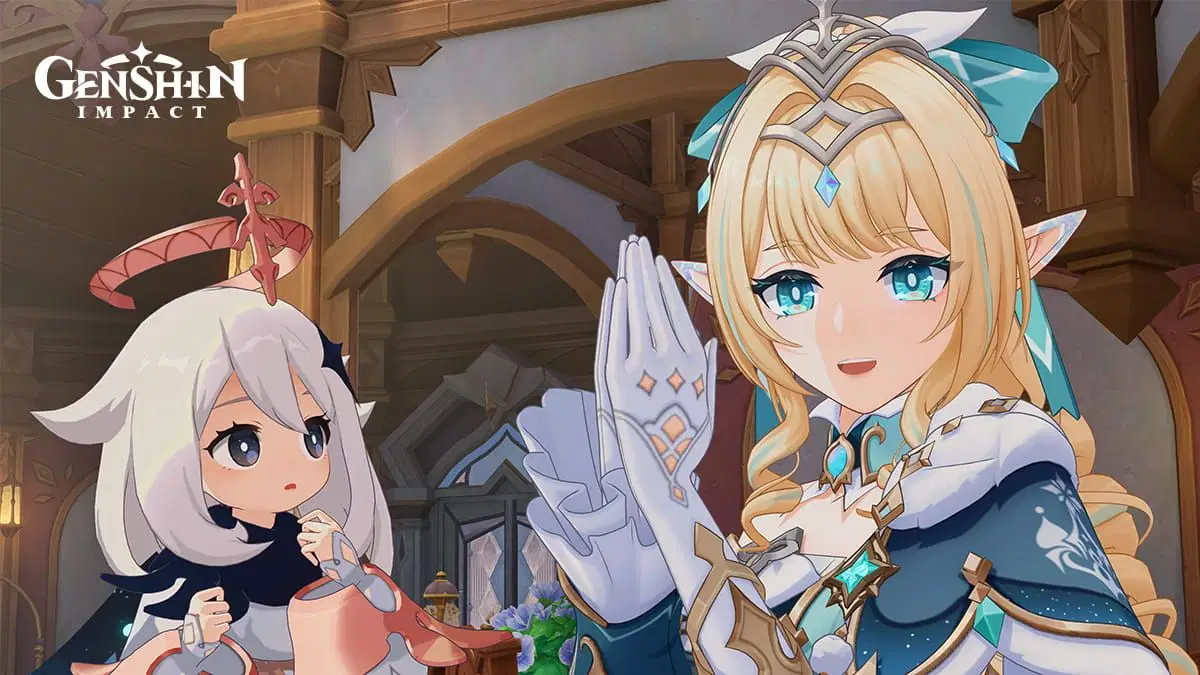
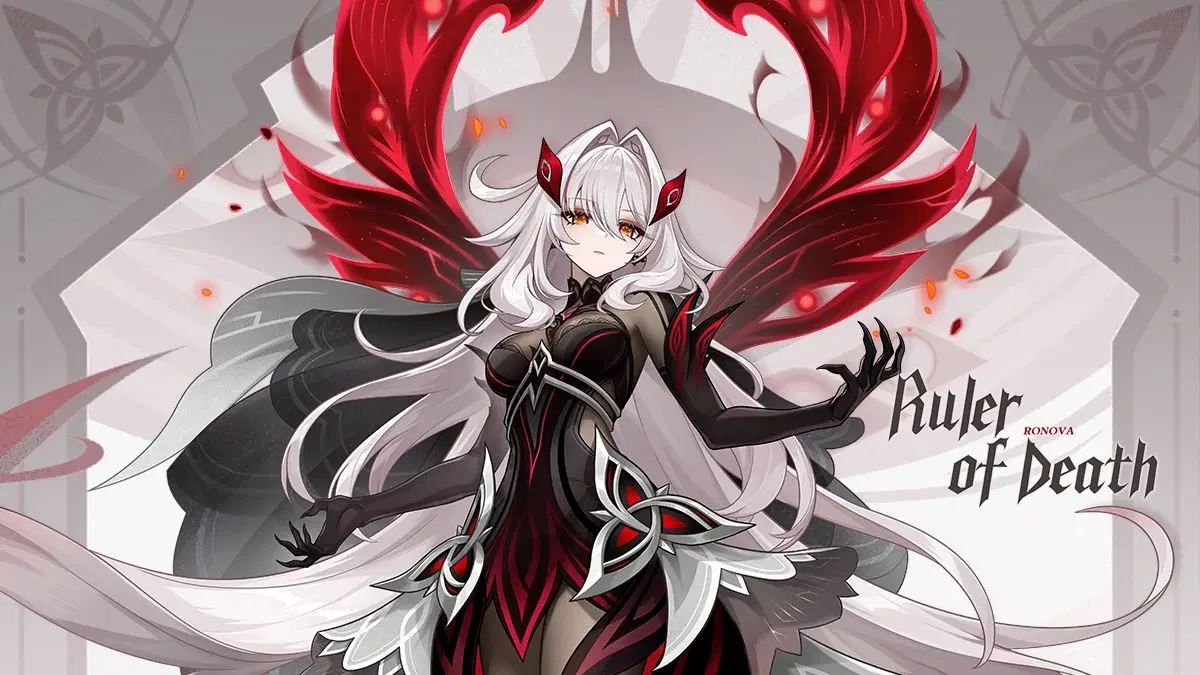
Another disappointment again comes from Ronova. While the previous quest issues were explained by the Rules and Celestial orders, the authors still treat Ronova strangely unfairly.
Back in Natlan, we learned that she once loved humanity and even broke the Rules to help this nation. For these deeds she got punished and still carries this sin. Meanwhile, now she appears just like a psycho, obsessed with stopping Fatui. Sure, that can be a trauma that tells her to restore order before she gets another punishment or something even worse happens, but for now this idea is delivered rather poorly.
While Capitano managed to make a deal with Ronova, in the current quest no one tries to talk to her, and she doesn’t try this approach out either. Everyone just agreed that they hate each other and have to fight to the death.
The entire final fight turns into a meme shounen anime standoff, with shouting and meaningless moves. Of course, they had to hold her long enough for the Celestial System to seal her powers, but the thing is, it would happen even without that epic yet self-sacrificing revenge attempt from Pierro. Though it gives him closure for a 500 years old grudge, so it has a reason to exist.
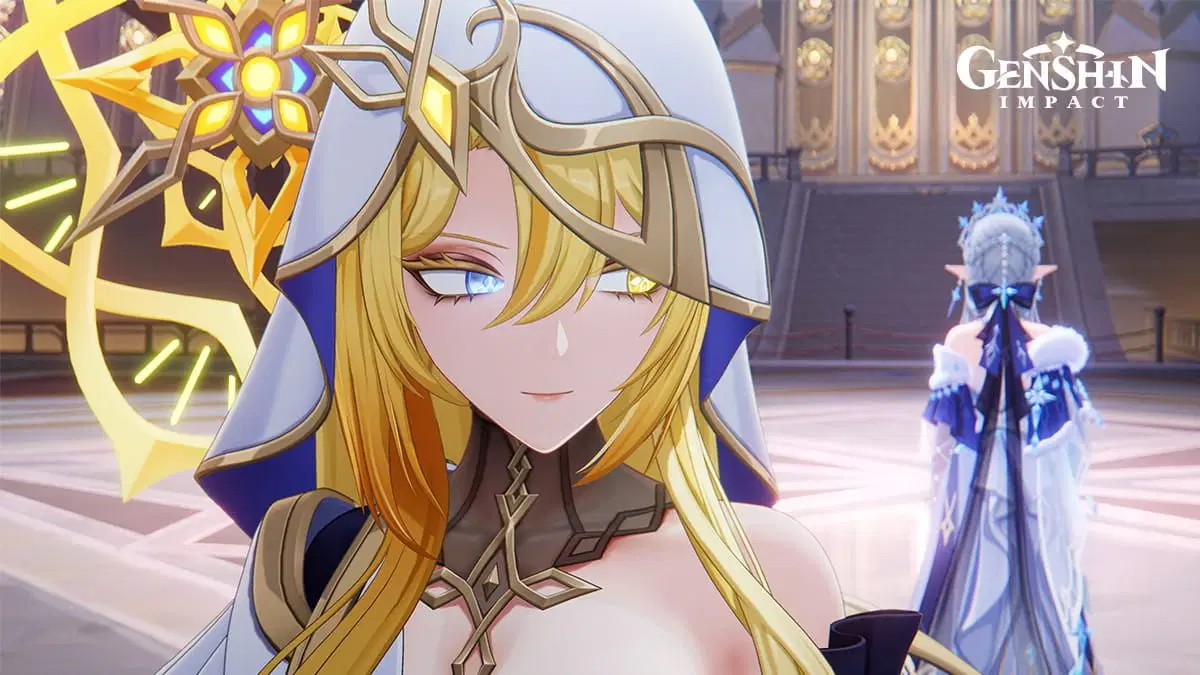
Among the game experience elements, the main quest introduces the most strange one: the interactive conversation with Danica. While I can see what the developers tried to do here, the entire thing works rather awkwardly. The dumpling (or probably vareniki?) eating feels ridiculous and pointless, just as looking around like an idiot does, searching for the point to focus at for the conversation to continue. If this is some attempt to introduce future interactive dates with a players’ favorite waifu, this should be reworked and reimagined to provide a better flow and experience.
Now, mowing from Snezhnaya to Liyue Moonchase festival, which has become a yearly event for this region. This time we don’t meet any new playable characters here, as the banners are dedicated to the roster of Snezhnaya, but the Travelers get a chance to reunite with some old friends. Ningguang, Zhongli, the Adepti and the team of young prodigies of the nation are here to spend some time in peace, despite the difficult times approaching for the entire world.
We all love Genshin events for a chance to meet old characters and learn something new about their lives. However, as the time passed and the game evolved, these comebacks to the roots began to feel like stepping into another game. The older characters’ design was much simpler, we began to notice it back in Nod-Krai when poor Albedo stood next to Varka or Durin, looking like a hobo at a rich kids party. And the further we move in the game version the less competitive characters from 1.X-3.X look.
The difference is especially noticeable with the 4-star characters. Looking at Lan Yan next to Ningguang I couldn’t brush away the feeling that the person who basically runs the nation got narrowed to a mere NPC. And I’m not talking about design, Nigguang lacks the animations and half of the time stands like a dummy without blinking. Along with the long-suffering lipsync issues, half of the quest involving old characters looks comically painful and sad.
However, the touching story quest makes up for all technical issues. While simple, the plot swiftly becomes deeply personal, slowly revealing the pain of the characters involved. The theme isn’t new, many times we saw different people suffer from memory loss and world imperfection, but this time it introduces another side of these ideas.
The story touches on the problem of people’s perception, promises, fears and worries. How they lead to wrong decisions and ideas and how a set of circumstances can ruin people’s life. Moreover, the quest brings up Theseus’s Paradox, but in terms of personality and memory. As the ship with replaced logs stops being the same ship that sailed at first, the same happens with people, when they lose the very essence of their personality. They can recover, but never become the same as they were. And through it, the story gives the insight on erosion that every Archon fears so badly.
However, once again I’ll leave it for the players to explore in case they haven’t played the event yet.

When it comes to mini-games each event has, this time HoYoverse didn’t bring anything new. We already saw all these mechanics in different events through years, and now they got mixed into slightly different entertainment. Nothing there looks like a test of future gameplay additions, aside from the banner bonus in the fighting event, but it still doesn’t introduce anything fresh.
Maybe these mini-games eventually can become actual gameplay elements but in some other HoYoverse project.
In conclusion, Version 7.1 finally tries to bring the proper game writing to the game, introducing better plot delivery. The consistency of the quest line gives some optimism for the Snezhnaya future, especially since we were given a hint at what to expect next. Unlike the 7.0 update, the authors don’t push irrelevant elements to the main quest, introducing every character, event and mechanics at a proper pace. Moreover, the Moon-related Liyue event brings back the nostalgia about the old Genshin we once loved, but somehow lost through the years of exploration.


